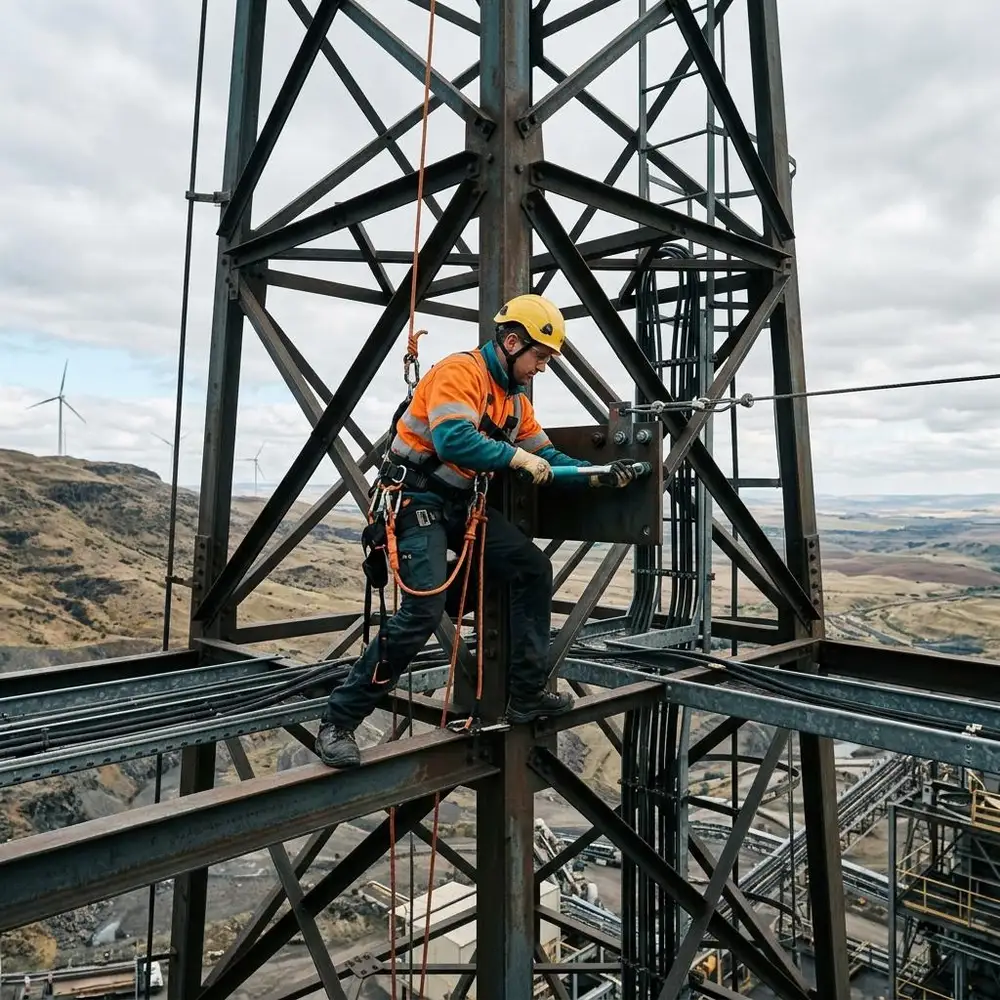
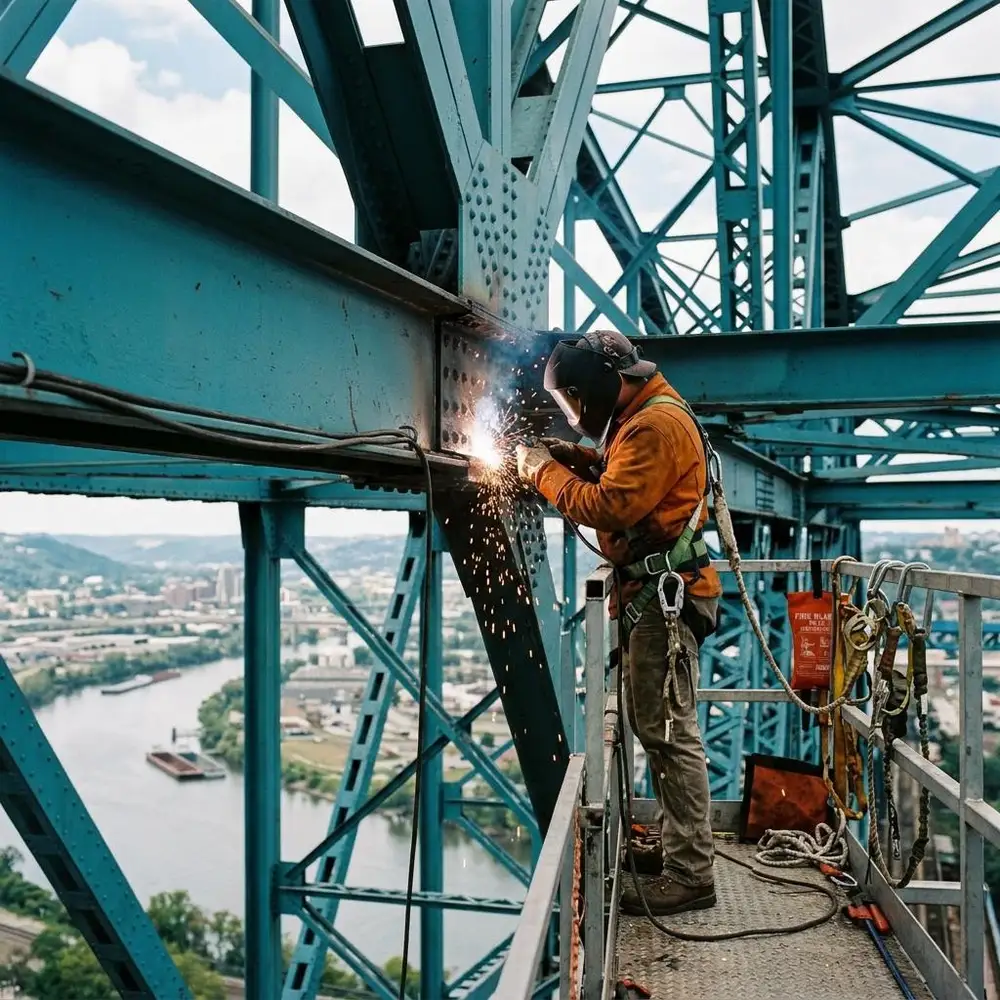
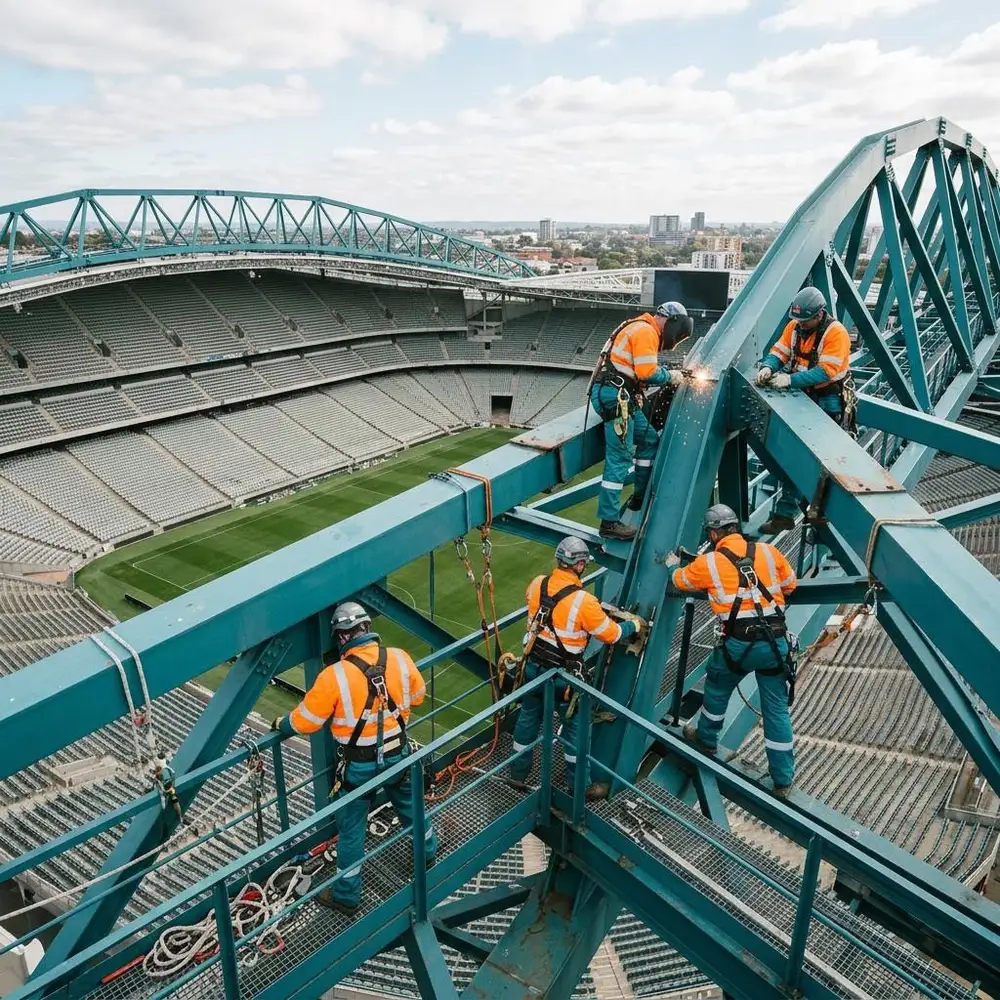
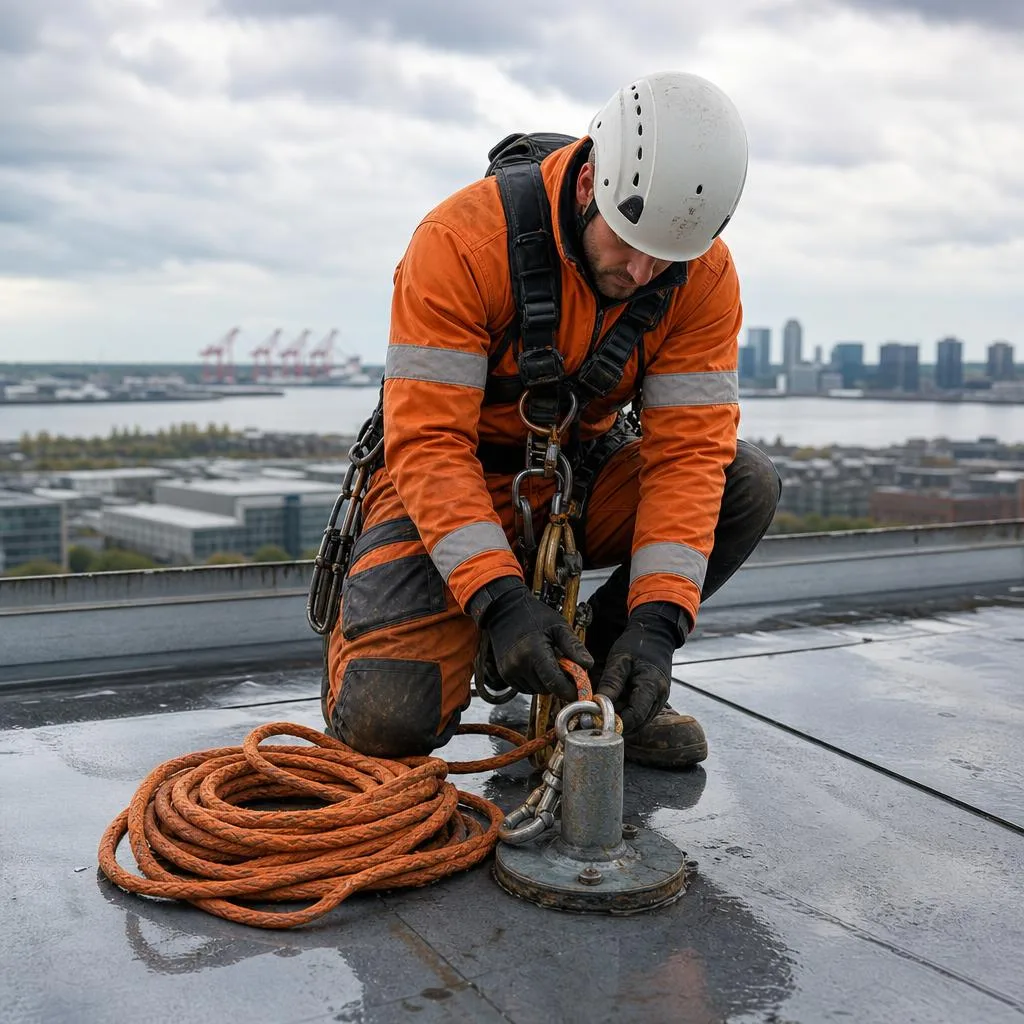
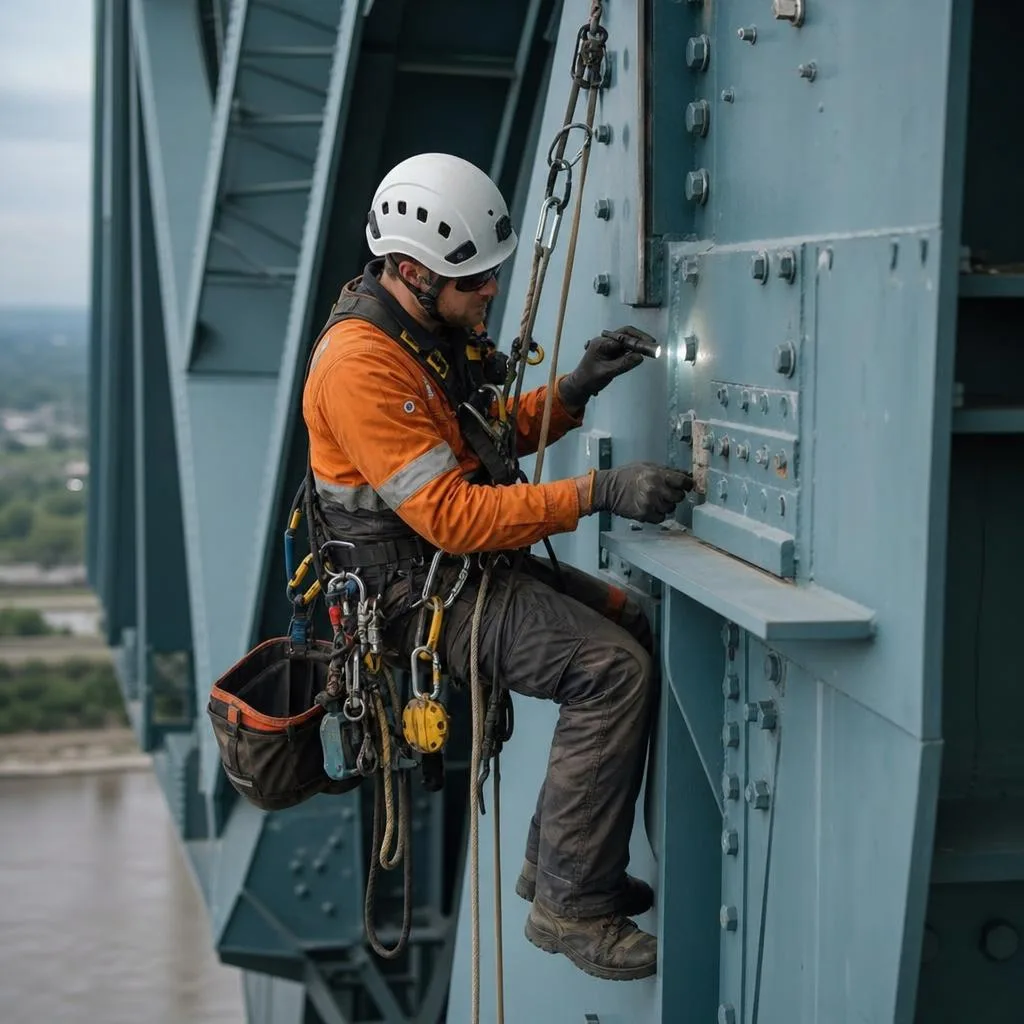
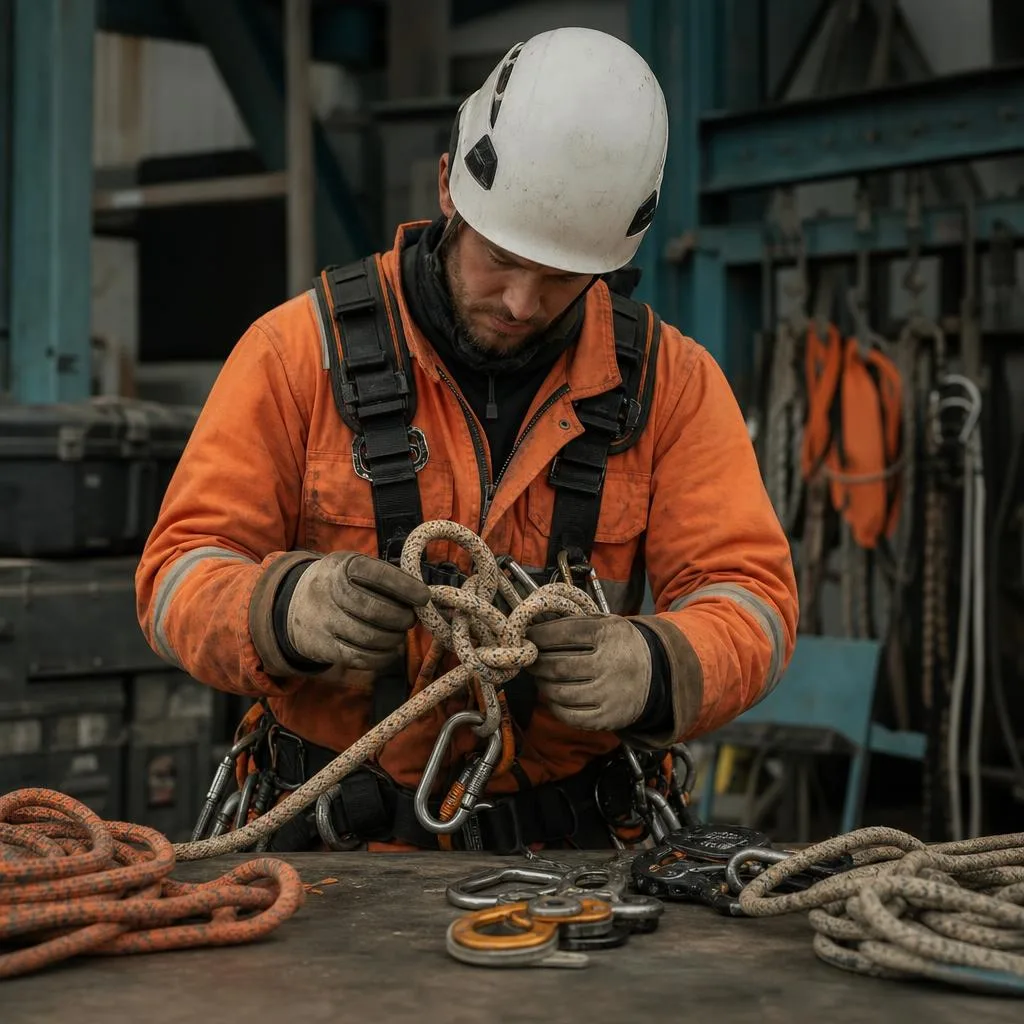
Reach challenging repair locations with a focused approach to access and preparation. Welding projects start with a review of the structure and working environment.
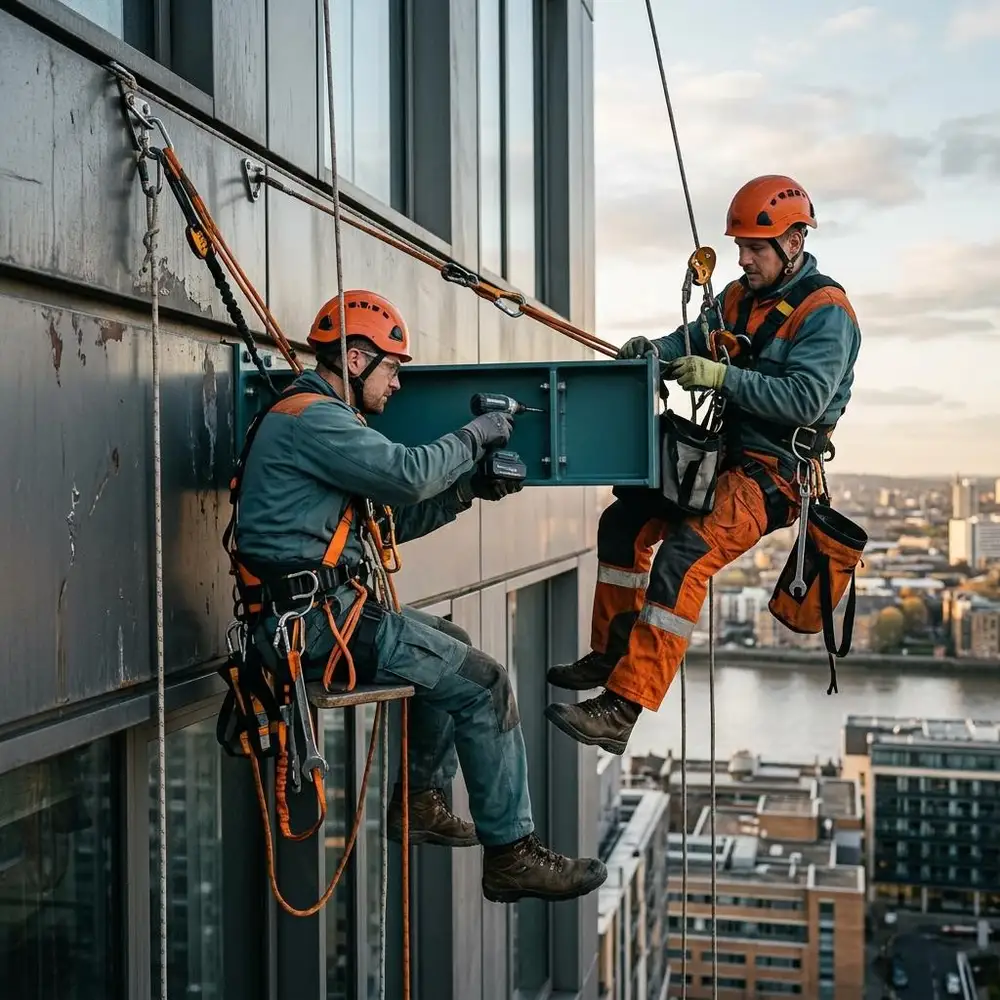
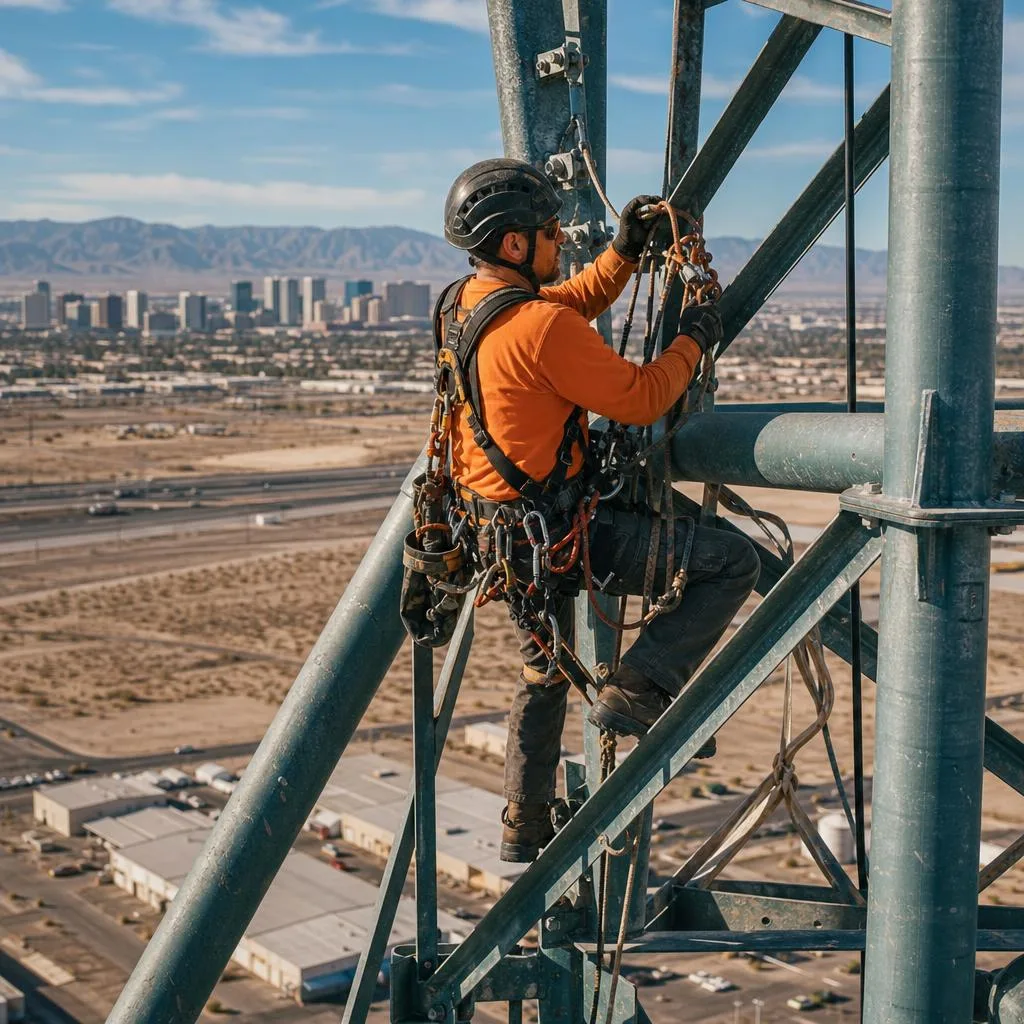
Bring components into position where conventional access is difficult. Installation work can include brackets, fixtures and equipment on elevated structures.
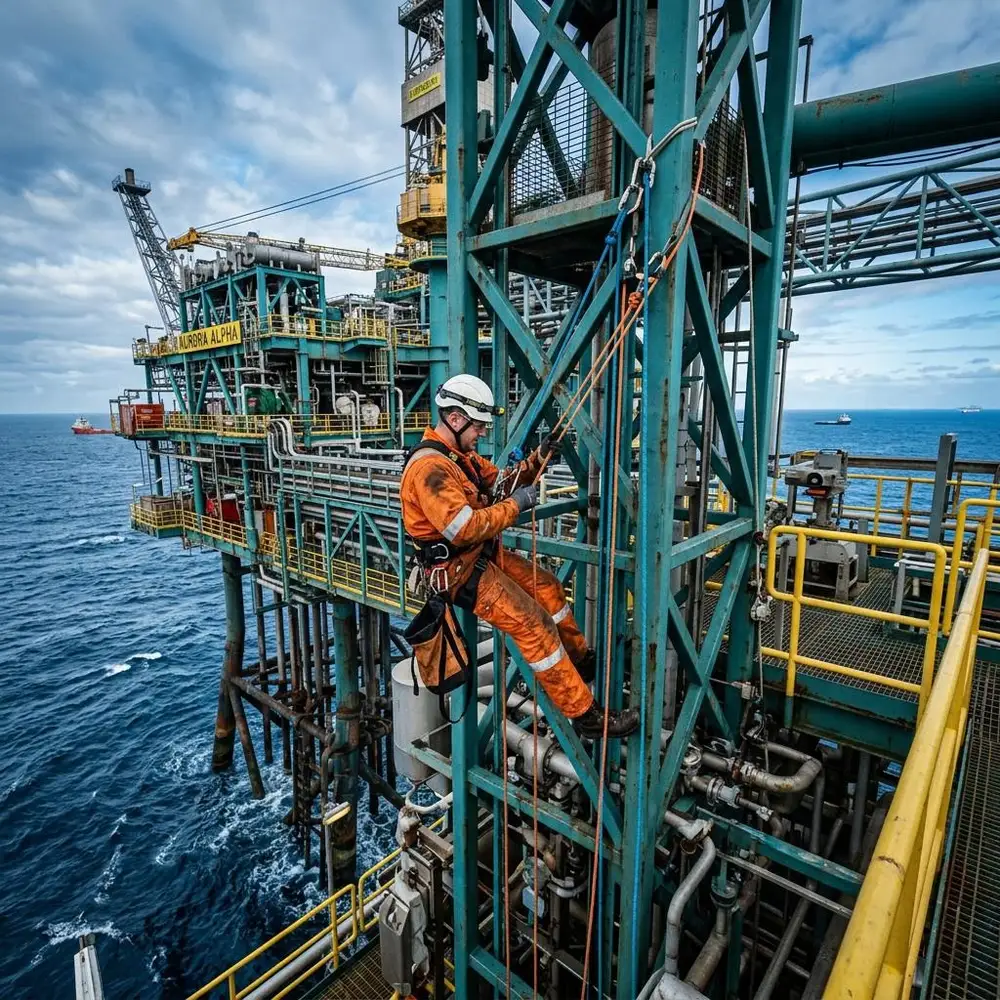
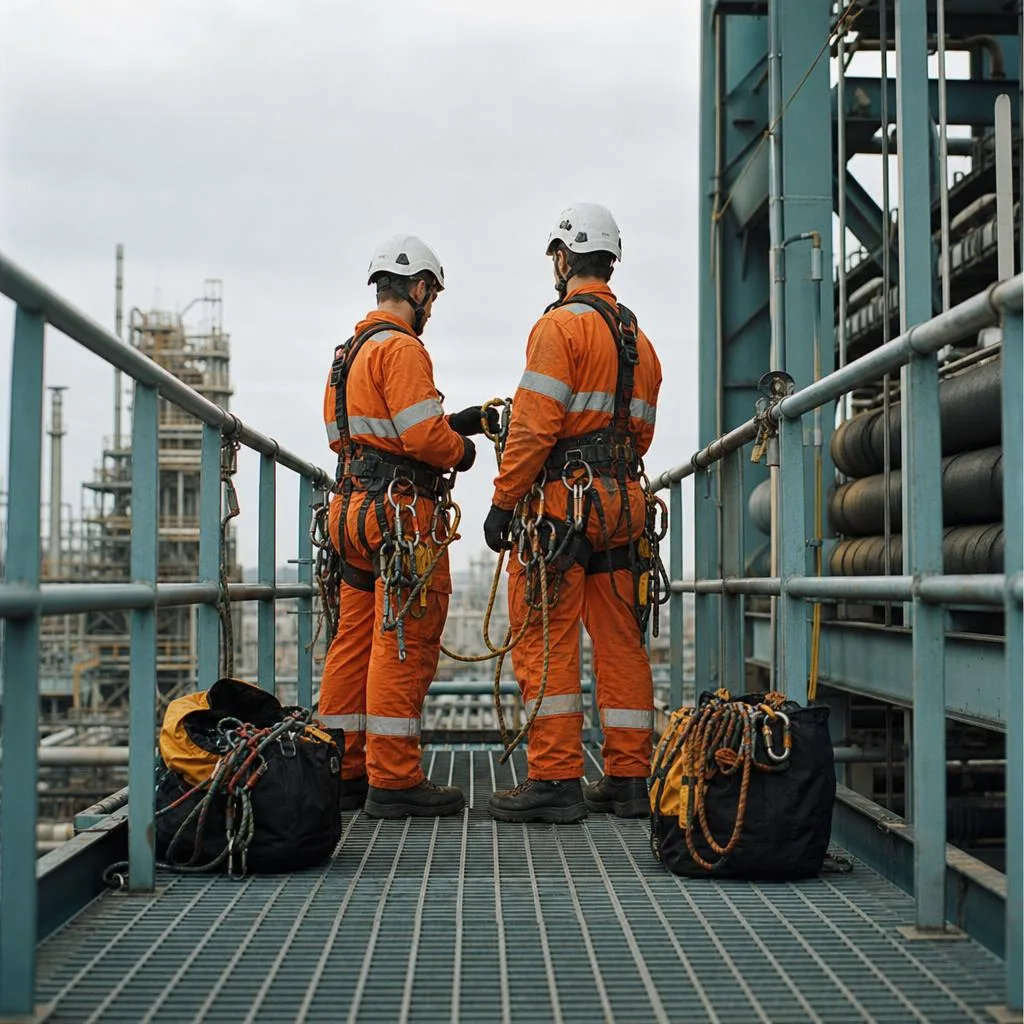
Plan access around the demands of marine environments. Offshore work brings together careful preparation, coordinated teams and a clear understanding of the site.
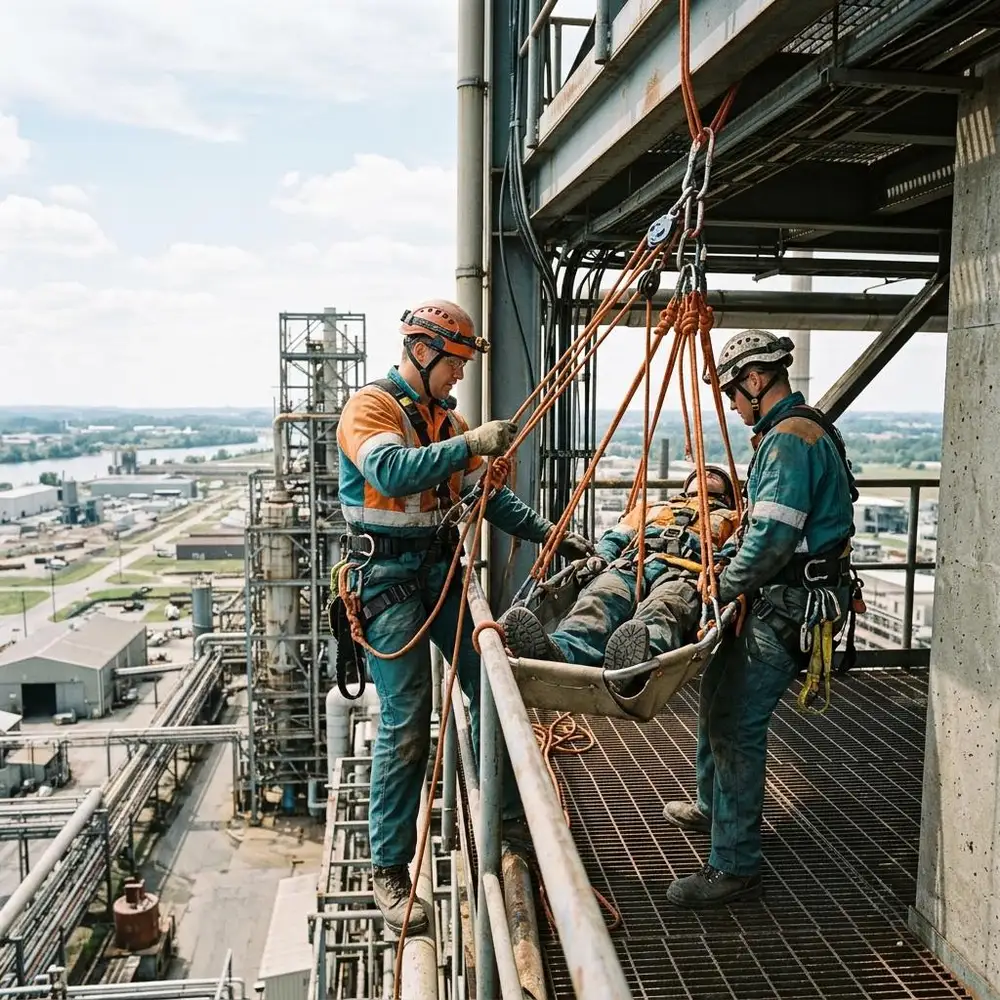
Prepare for situations where access and evacuation are complex. Rescue planning considers the work location, available equipment and the route to safety.
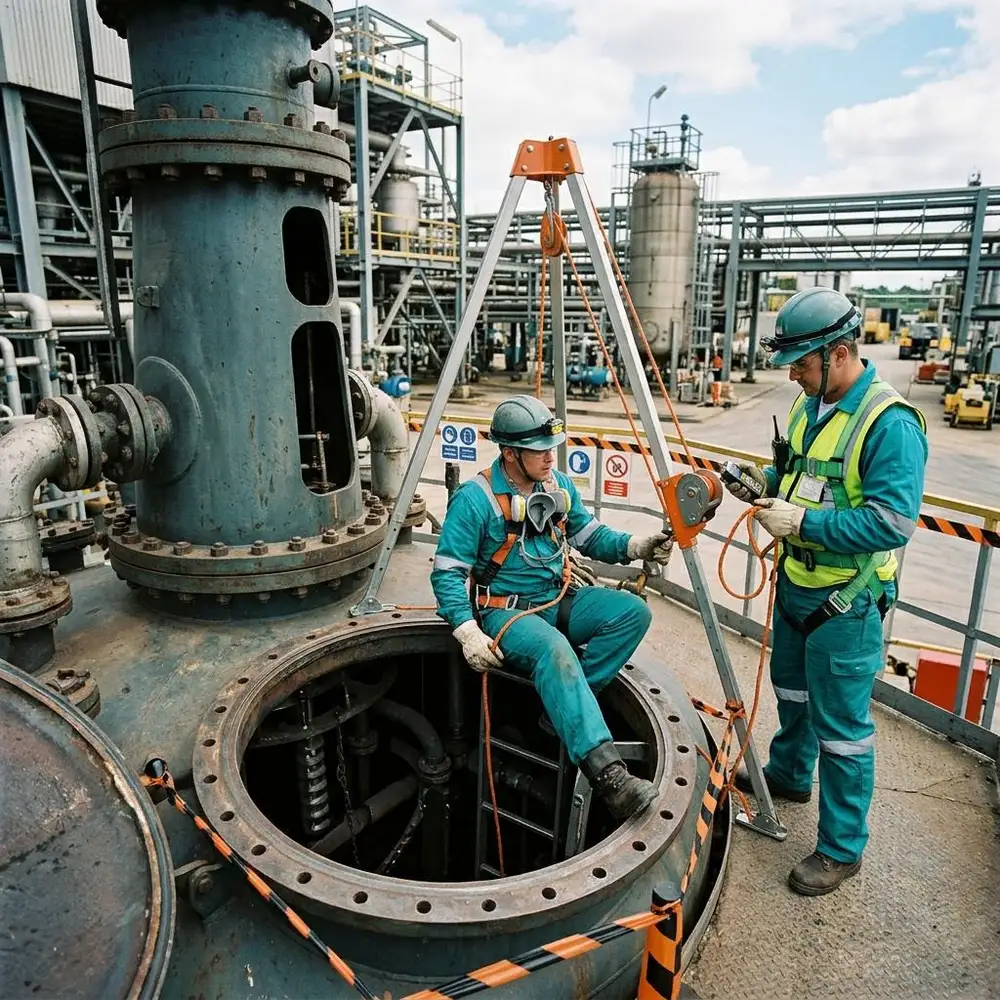
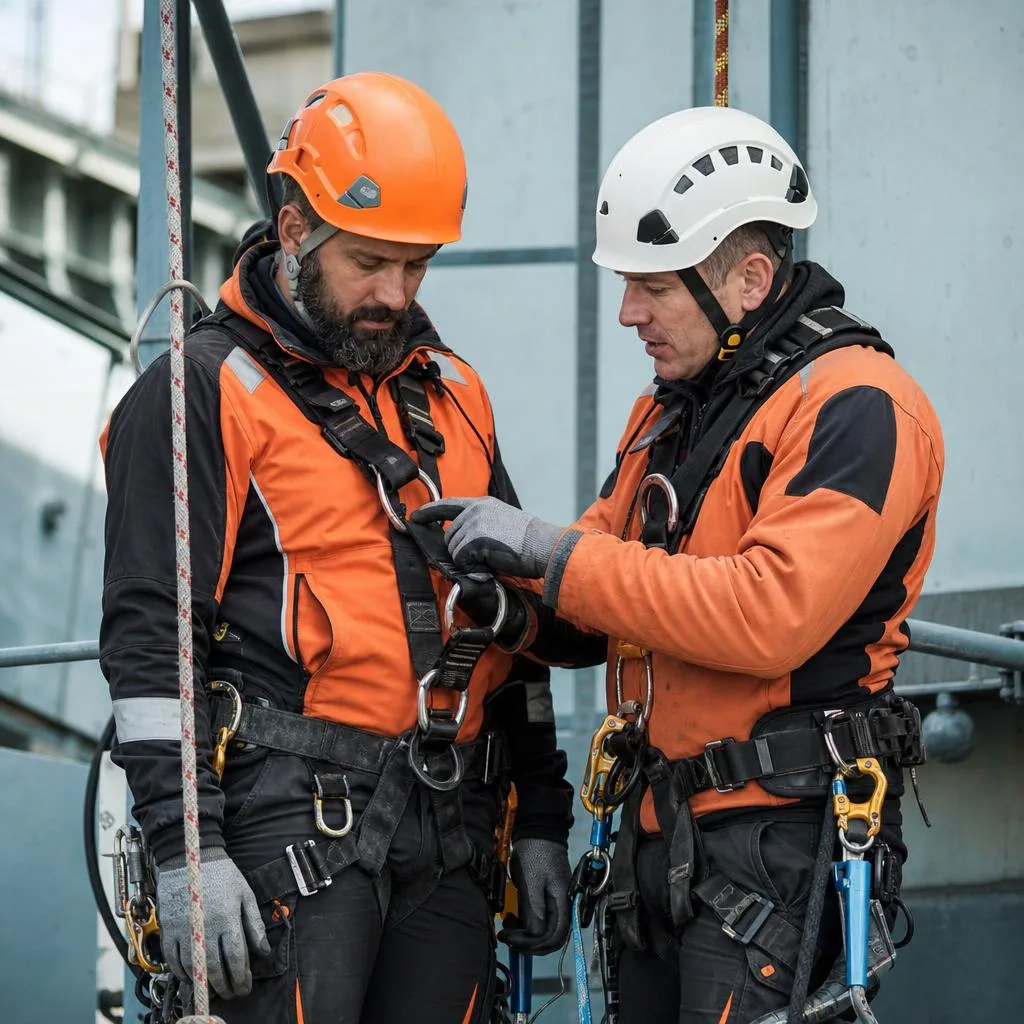
Approach restricted spaces with a considered access plan. Entry arrangements, communication and rescue preparation are essential parts of the discussion.
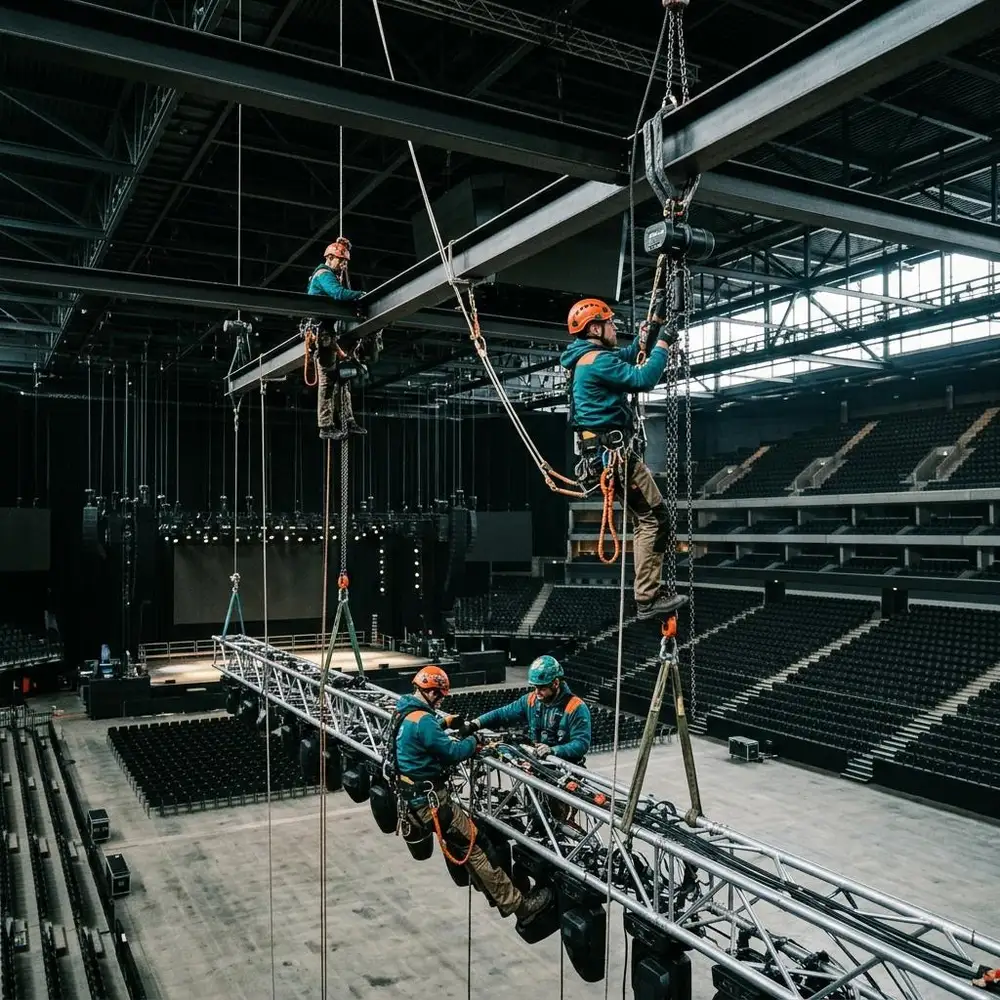
Support the installation and inspection of overhead production equipment. Rigging plans account for access, attachment points and the working area below.
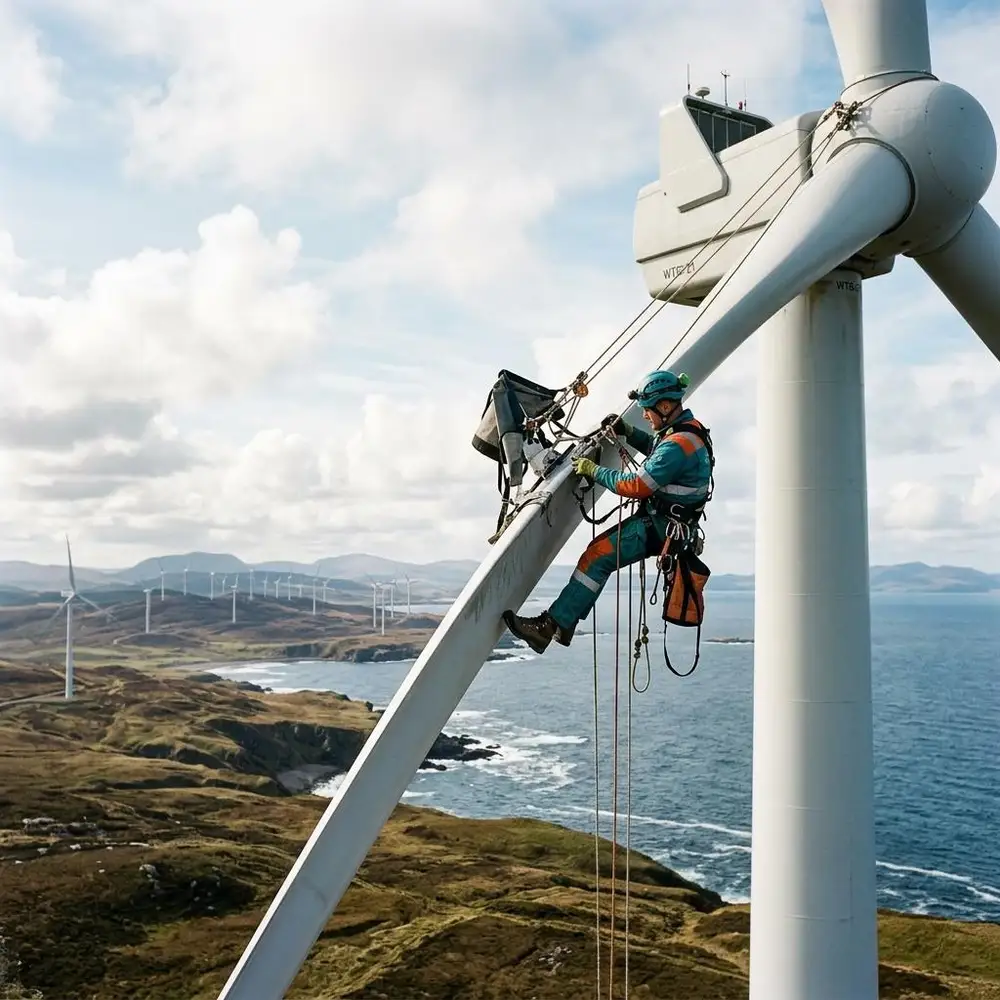
Reach elevated turbine components for inspection and maintenance planning. Each project begins with the equipment, site conditions and access requirements.
Try a different course, location or month. Contact RIG to confirm current dates and availability.
2
01 LAS
3
4
5
6
7
8
9
02 ANC
10
11
12
13
14
15
16
03 LAS
17
18
19
20
21
22
23
24
25
26
27
28
29
30
Las Vegas, NV
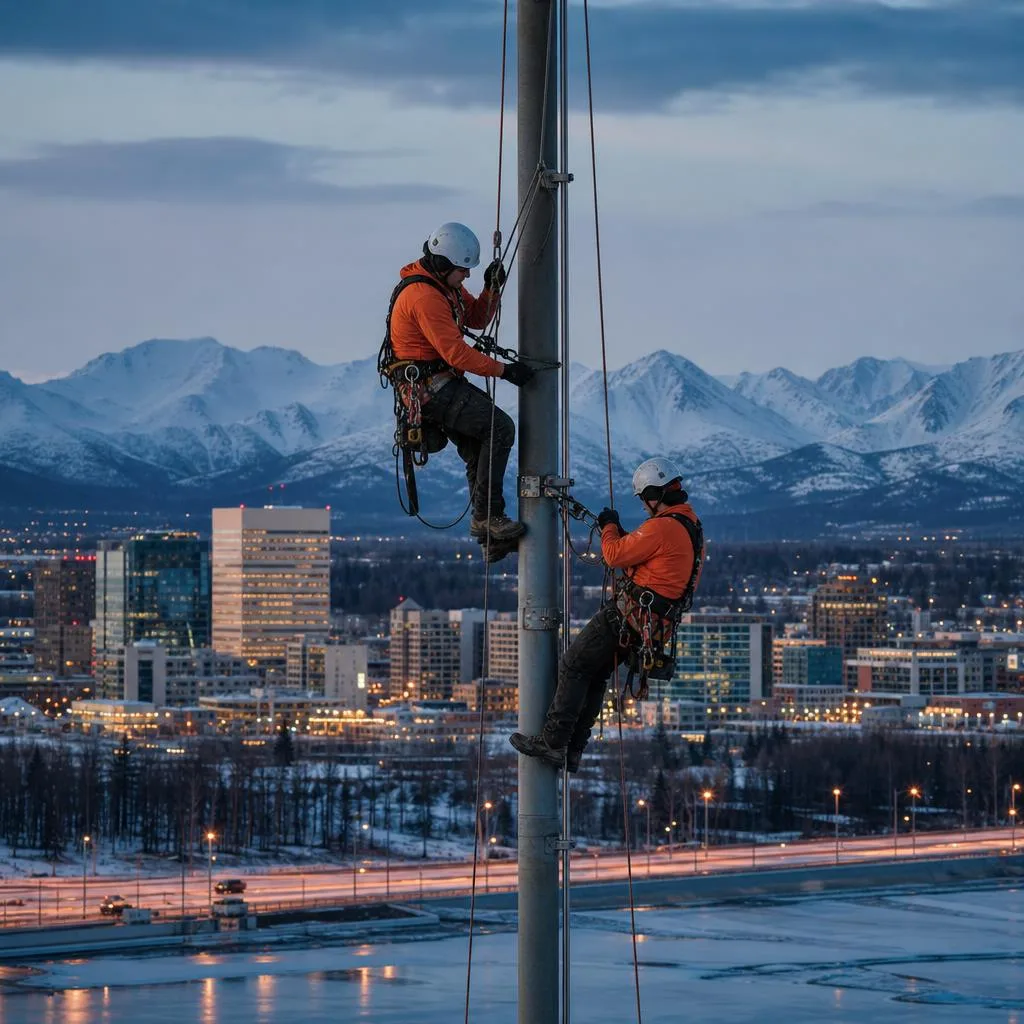
Anchorage, AK
Course catalog
Six course areas. Open one to read its scope.
01
IRATA and SPRAT Certification
+
02
Confined Space
+
03
PPE Selection, Inspection and Management
+
04
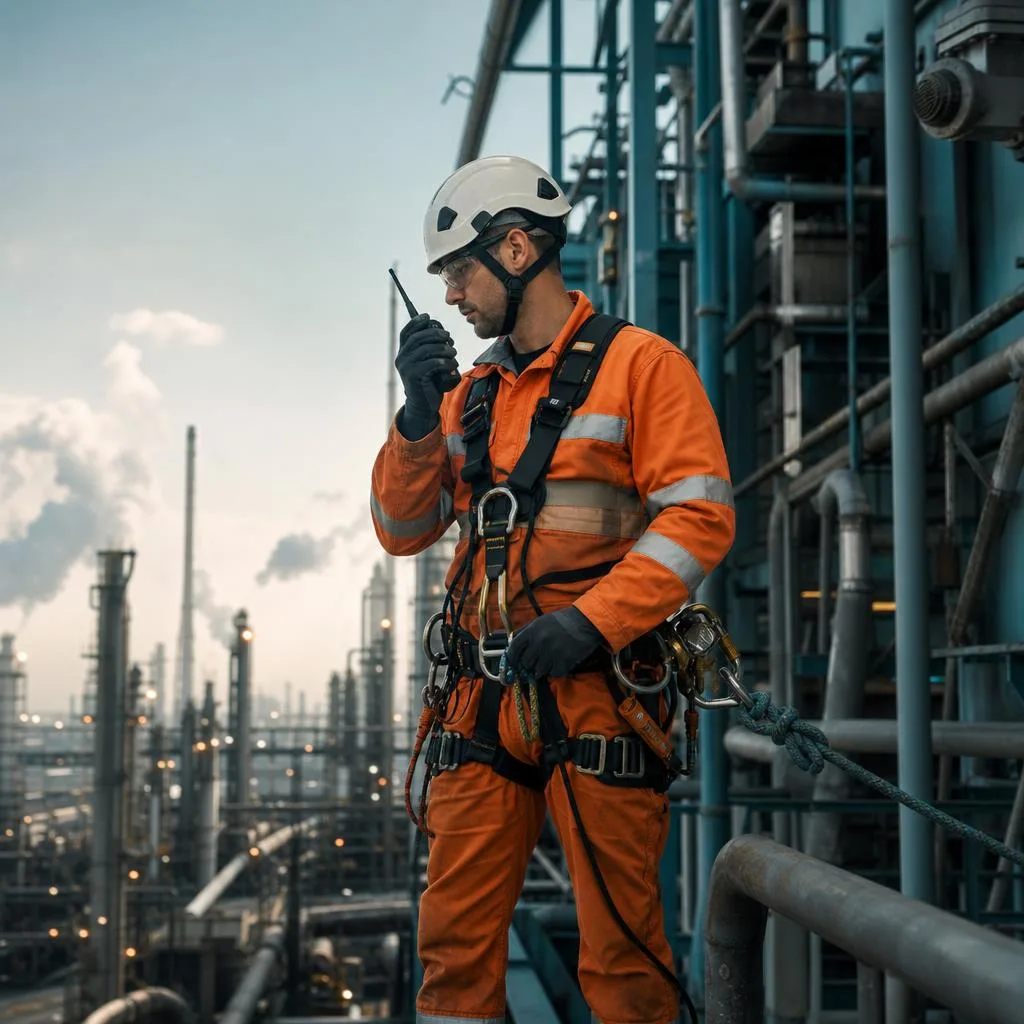
Fall Arrest for Industry and Construction
+
Review fall-arrest principles for industrial and construction environments. Discuss intended use, system compatibility, and course preparation without assuming that every setup suits every site.
05
Fall Arrest Rescue
+
Explore planning and communication for fall-arrest rescue situations. Ask how supervised exercises are organised and which experience or preparation is appropriate for the course.
06
Improvised Self Rescue
+
Discuss the principles behind improvised self-rescue in a supervised setting. Confirm course content and participation requirements; short demonstrations are not a substitute for guided practice.
Licensed, Insured, and Certified
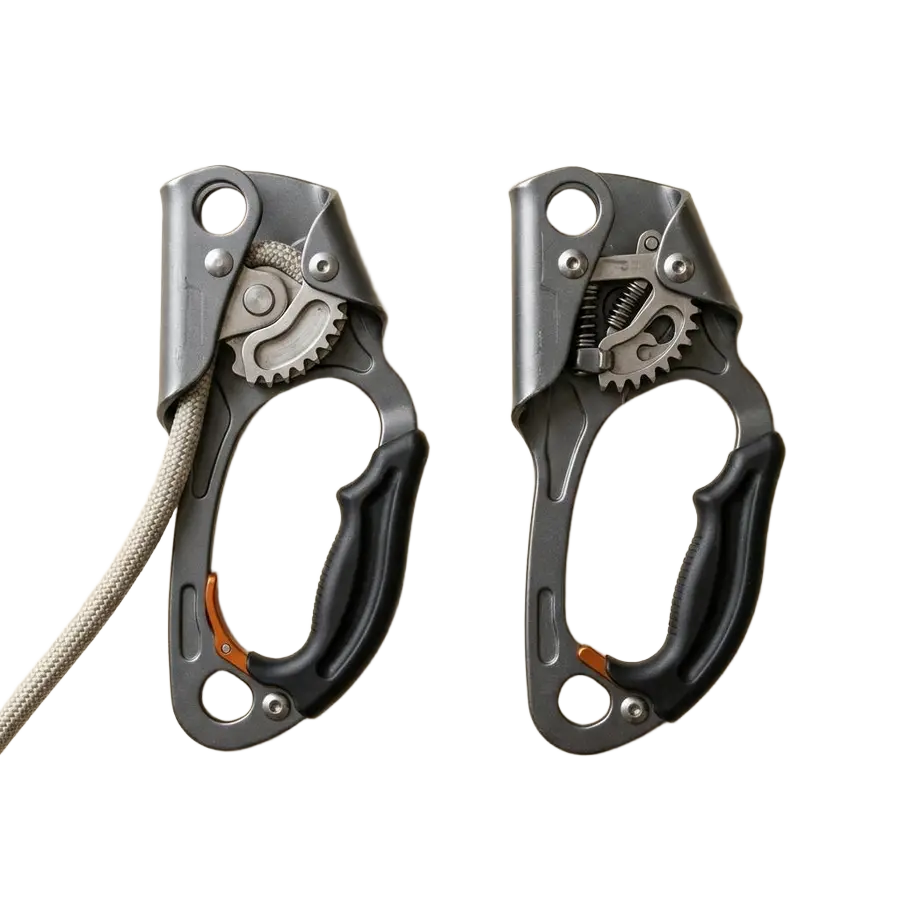
All The Equipment You Need In One Place
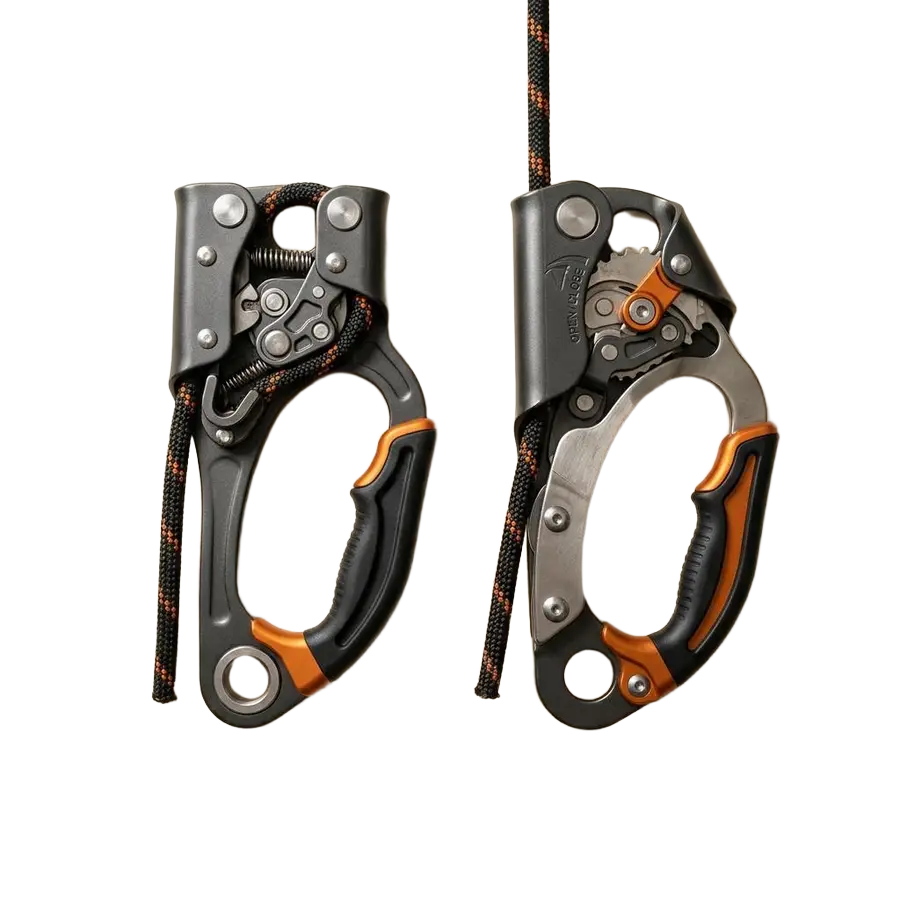
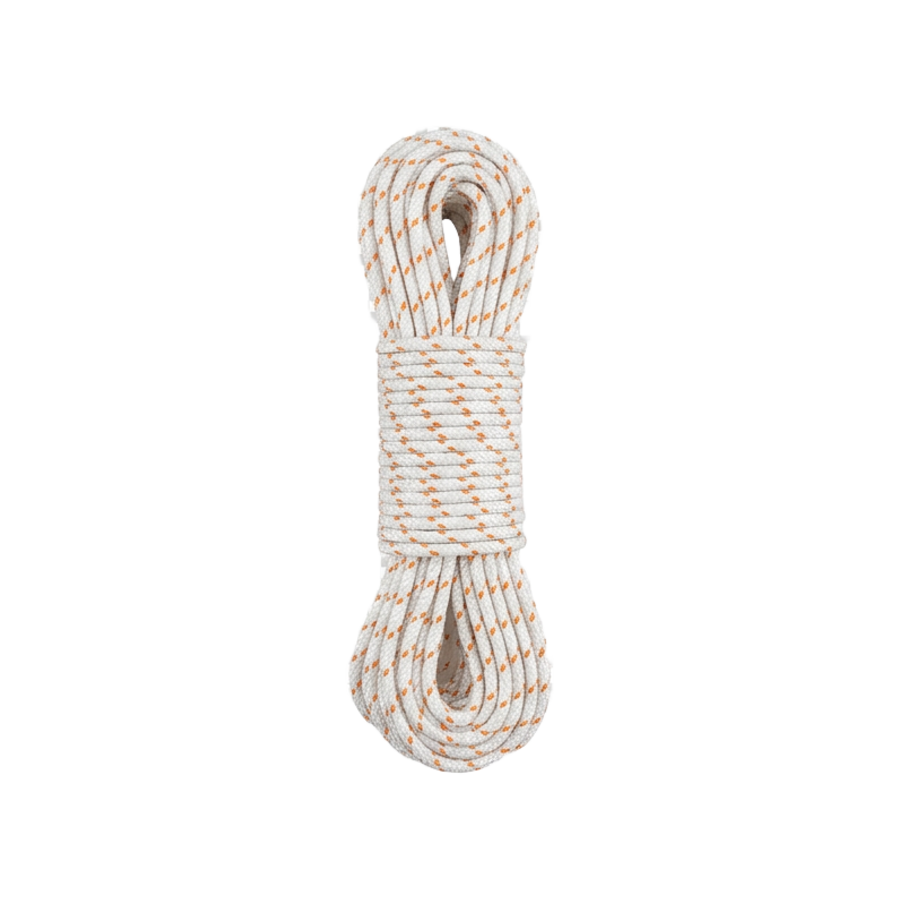
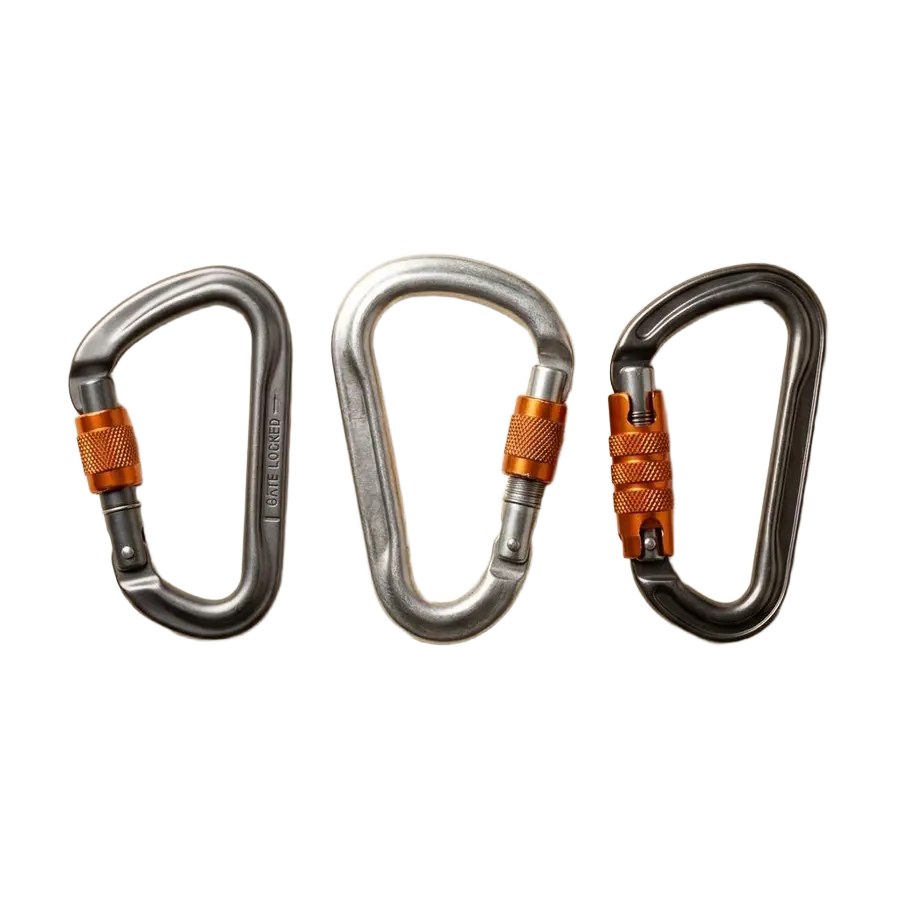
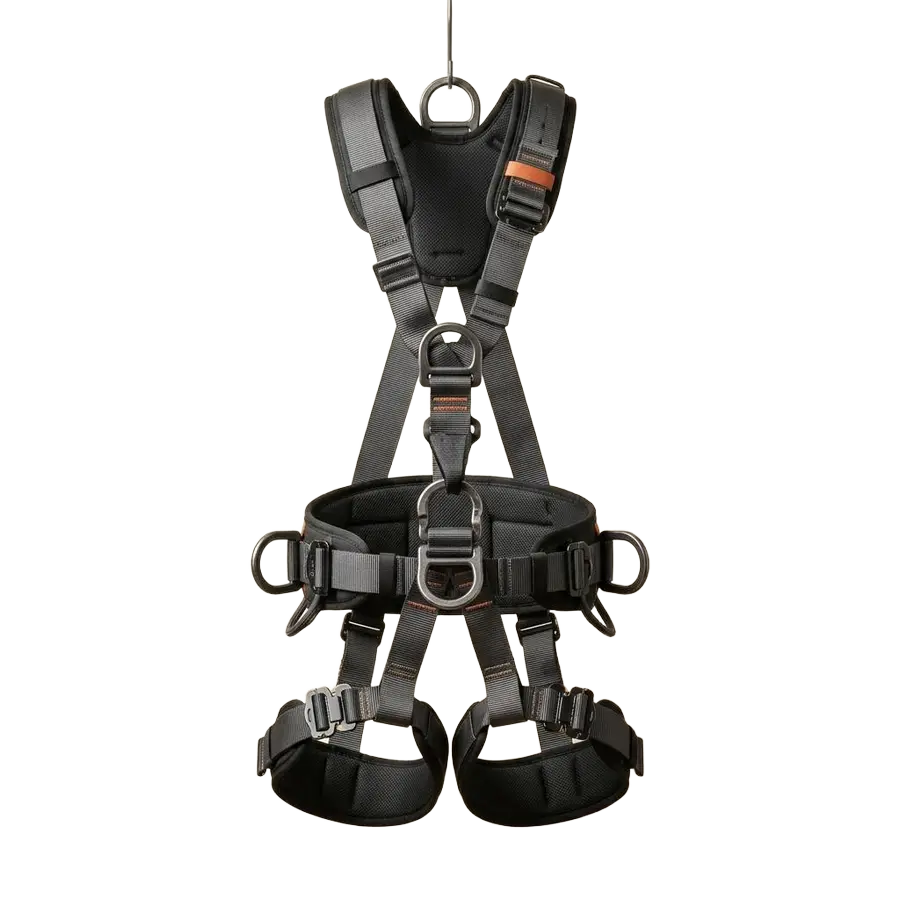
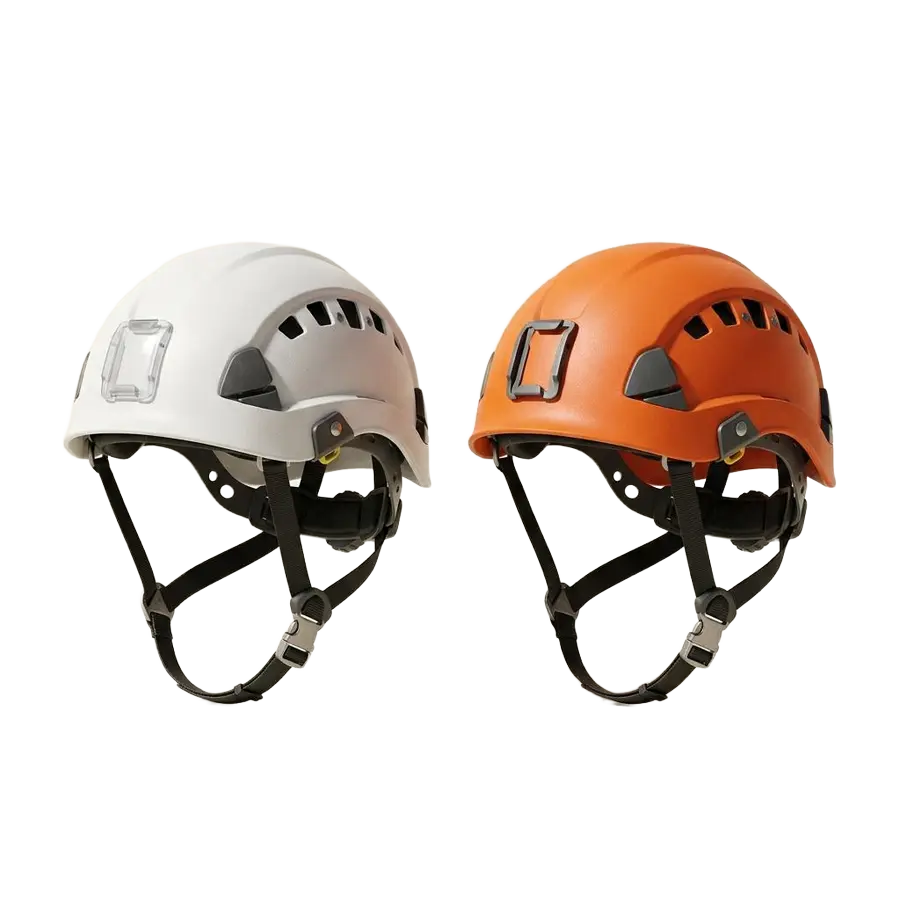
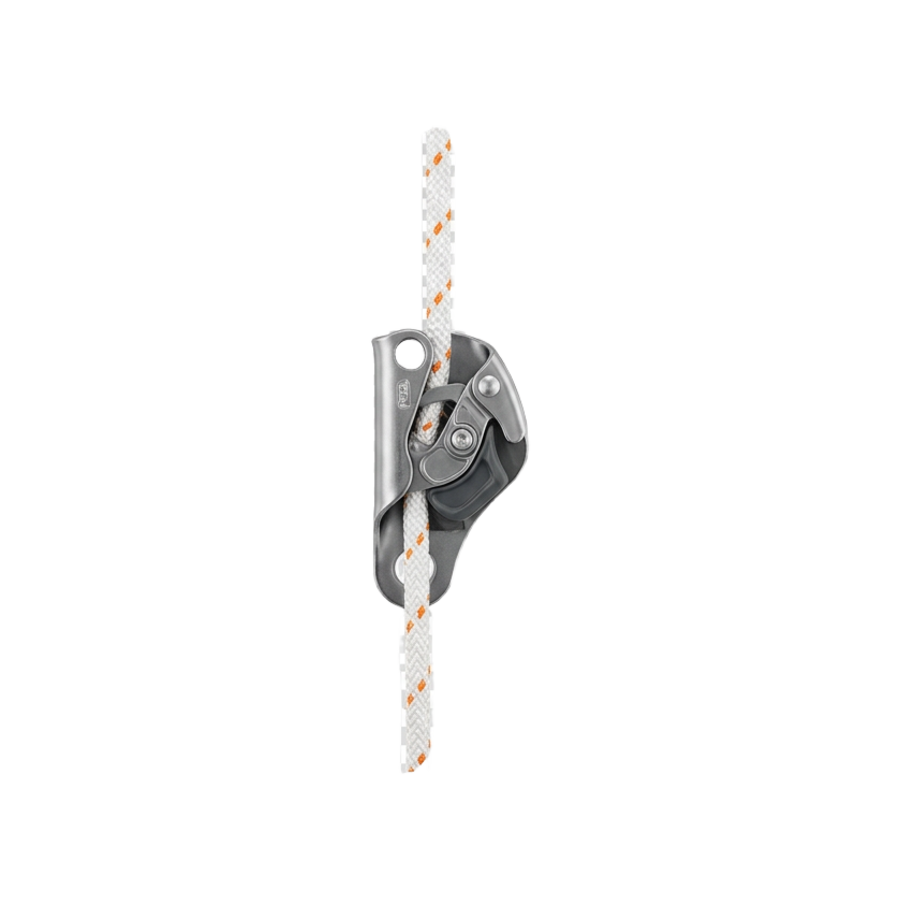
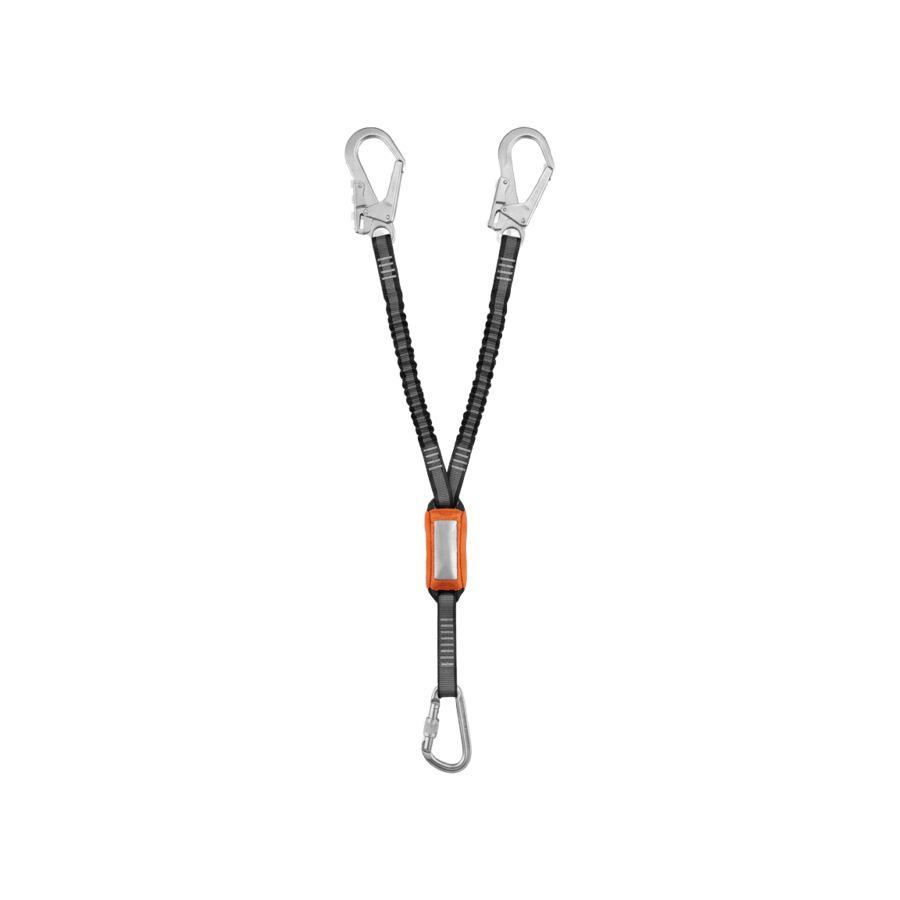
Explore equipment for movement, connection, and protection. Start with a category.
Perspectives on rope access, practical training, and project support.
“We value a clear discussion of the access requirements before a project moves forward. Understanding the approach helps everyone prepare for the work.”
RIG
Project Planning
Clear guidance at every stage
“Practical exercises give us a useful starting point for questions. We want to understand both the technique and the thinking behind it.”
RIG
Practical Training
Clear guidance at every stage
“A focused conversation about scope, timing, and site constraints helps us decide what information to gather next.”
RIG
Site Preparation
Clear guidance at every stage
“Choosing equipment starts with the task and the complete system. Clear guidance is more useful to us than a long list of products.”
RIG
Equipment Selection
Clear guidance at every stage
“We value a clear discussion of the access requirements before a project moves forward. Understanding the approach helps everyone prepare for the work.”
RIG
Project Planning
Clear guidance at every stage
“Practical exercises give us a useful starting point for questions. We want to understand both the technique and the thinking behind it.”
RIG
Practical Training
Clear guidance at every stage
“A focused conversation about scope, timing, and site constraints helps us decide what information to gather next.”
RIG
Site Preparation
Clear guidance at every stage
“Choosing equipment starts with the task and the complete system. Clear guidance is more useful to us than a long list of products.”
Course content depends on the programme and level. Practical rope techniques, equipment use, and working procedures are useful topics to discuss when reviewing a course. Confirm the current syllabus and assessment arrangements before booking.
Start with your experience, your goals, and any training you have already completed. Compare the available programmes and ask which entry requirements apply. Do not assume that every course is suitable for every experience level.
What should I bring to training?
Check the joining instructions for your chosen course before attending. Ask about clothing, footwear, identification, and whether equipment is provided. Confirm any preparation guidance directly before making arrangements.
What information helps with a project enquiry?
Prepare a short description of the work, its location, and your preferred timing. Site photographs, drawings, and known access restrictions can help explain the task. The next step is a discussion of the scope and working environment, not an automatic booking.
How do I choose equipment for my task?
Begin with the intended use and the requirements of the overall system. Review manufacturer instructions, compatibility, and the guidance of a suitably qualified person. A category image alone is not enough to determine whether equipment is appropriate.
Locations
Two cities. A starting point for training, equipment questions, and project conversations.
NEVADA
Las Vegas, NV
Explore training options and discuss your next step in Las Vegas. Confirm course availability, preparation, and practical arrangements before planning a visit.
Start a training or project conversation for Anchorage. Share your goals, preferred timing, and the working environment to help frame the next discussion.